Ariel Zúñiga
Directing
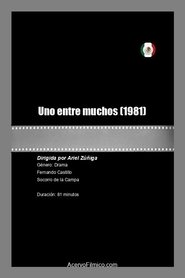
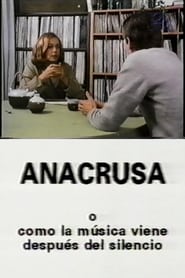
Ariel Zúñiga Laborde (Mexico City, 1947), is a Mexican cinematographer, director, editor, and screenwriter. At the age of 18, he traveled to France where he studied Art History at the Sorbonne in Paris and, in 1968, enrolled as a free student at IDHEC. Upon returning to Mexico, Ariel Zúñiga acquired a 16mm camera and began filming documentaries for cultural television artists. In the early seventies, he worked as a cameraman for Tiempo de cine, a television program on Canal Once featuring Emilio García Riera, José de la Colina, Tomás Pérez Turrent, Francisco Sánchez, Jorge Cantú, and actress Daniela Rosen. He pursued still photography and enrolled at CUEC, where he studied Film Direction and Photography. Alongside his studies, he worked as an assistant and cameraman on Reed: México insurgente (Paul Leduc, 1970), Semana Santa coral (Rafael Castanedo, 1971), Palacio Chino / Mago (Carlos Castañón, 1972), El perro y la calentura / Conducta (Raúl Kamffer, 1973). From that year until 1975, he participated in the cultural program series Artistas, museos y alegrías, produced by Channel 4. In 1978, he produced, wrote, and directed in 16mm Anacrusa, starring Adriana Roel in a powerful portrayal of a university professor who becomes a social activist after her daughter is kidnapped and killed by repressive forces. Anacrusa won the Figueira da Foz Medal at the Portugal Festival and the Ariel Award for Best Actress (Adriana Roel) in 1979. That same year, he wrote and directed Tentativa II, based on the artistic work of his father, the Costa Rican–Mexican sculptor Francisco Zúñiga. Later, again independently and with a strong political focus, Zúñiga directed, produced, wrote, and co-wrote with Alberto Cortés the film Uno entre muchos (1981), based on the true story of a worker who, to avoid paying compensation, is kidnapped by his employers through the police. The film won the Silver Medal at the Nantes Festival in France (1982).