Juliette Gréco
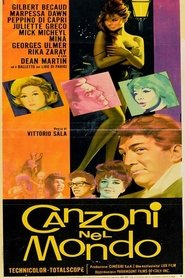
Acting
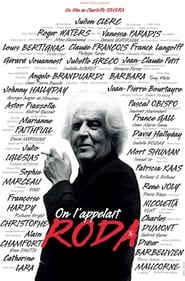
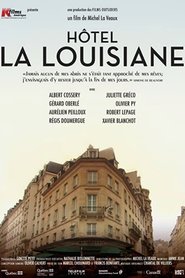
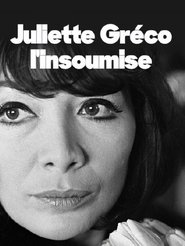
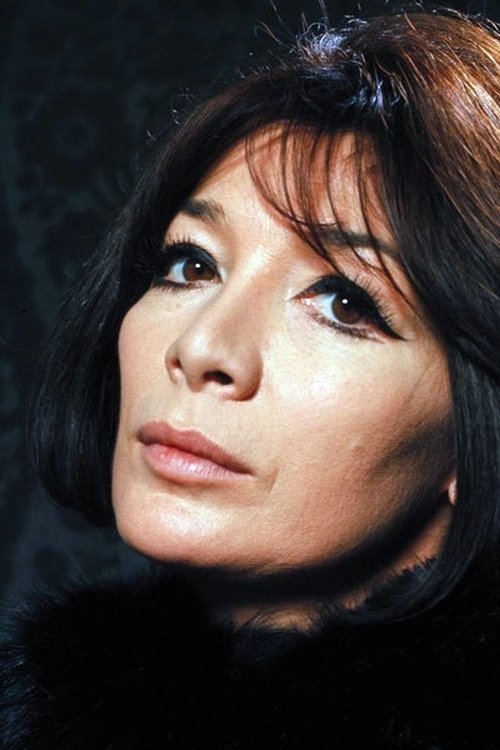
Juliette Gréco (7 February 1927 – 23 September 2020) was a French singer and actress. Her best known songs are "Paris Canaille" (1962, originally sung by Léo Ferré), "La Javanaise" (1963, written by Serge Gainsbourg for Gréco) and "Déshabillez-moi" (1967). She often sang tracks with lyrics written by French poets such as Jacques Prévert and Boris Vian, as well as singers like Jacques Brel and Charles Aznavour. Her 60-year career concluded with her final worldwide tour titled "Merci", which began in 2015. As an actress, Gréco played roles in films by French directors such as Jean Cocteau and Jean-Pierre Melville. Juliette Gréco was born in Montpellier, France, to an absent Corsican father, Gérard Gréco; her mother Juliette Lafeychine (1899–1978) was from Bordeaux. Her lineage hails in part from Greece. She did not receive love from her mother in her childhood and suffered from her harsh comments due to being an unwanted child, such as "You ain't my daughter. You're the child of rape". She was raised by her maternal grandparents in Bordeaux with her older sister Charlotte. After the death of her grandparents, her mother took them to Paris. In 1938, she became a ballerina at the Opéra Garnier. When World War II began, the family returned to the southwest of France. Gréco was a student at the Institut Royal d'éducation Sainte Jeanne d'Arc in Montauban. The Gréco family became active in the Resistance and her mother was arrested in 1943. The two sisters decided to move back to Paris but were captured and tortured by the Gestapo, then imprisoned in Fresnes Prison in September 1943. Her mother and sister were deported to Ravensbrück while Juliette, being only 16, remained in prison for several months before being released. After her release, she walked the eight miles back to Paris to retrieve her belongings from the Gestapo headquarters. Her former French teacher and her mother's friend, Hélène Duc, decided to take care of her. In 1945, Gréco's mother and sister returned from deportation after the liberation of Ravensbrück by the Red Army. Gréco moved to Saint-Germain-des-Prés in 1945 after her mother moved to Indochina, leaving Gréco and her sister behind. Gréco became a devotee of the bohemian fashion of some intellectuals of post-war France. Duc sent her to attend acting classes given by Solange Sicard. She made her debut in the play Victor ou les Enfants au pouvoir in November 1946 and began to host a radio show dedicated to poetry. Her friend Jean-Paul Sartre installed her at the Hotel La Louisiane and commented that Greco had "millions of poems in her voice". She was known to many of the writers and artists working in Saint-Germain-des-Prés, such as Albert Camus, Jacques Prévert and Boris Vian, thus gaining the nickname la Muse de l'existentialisme. Gréco spent the post-Liberation years frequenting the Saint-Germain-des-Prés cafes, immersing herself in political and philosophical bohemian culture. As a regular at music and poetry venues like Le Tabou on Rue Dauphine, she was acquainted with Jean Cocteau, and was given a role in Cocteau's film Orphée (1950). ... Source: Article "Juliette Gréco" from Wikipedia in English, licensed under CC-BY-SA.